Support glucose control and healthy body composition
SugarLock®
SugarLock is a proprietary peanut skin polyphenol extract designed to help reduce starch and carbohydrate digestion, supporting postprandial glucose control and healthy body composition.

What is SugarLock?
SugarLock is derived from peanut skin and is rich in polyphenols and oligomeric proanthocyanidins.
Benefits of SugarLock
Awards
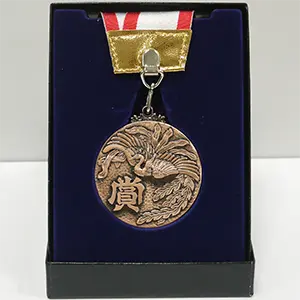
Bronze Medal

Gold Medal

Special Award
Scientific Publications
Available Dosage Forms
參考資料
Frequently Asked Questions
TCI’s Proanthocyanidin ingredient is a peanut skin polyphenol extract rich in proanthocyanidins for food products related to post-meal dietary management. It is intended for food applications. Final product claims, directions for use, and labeling should be determined according to the complete formulation, available scientific substantiation, and target-market regulations.
The product directions described are directions for evaluation, not substantiated effects; the Proanthocyanidin ingredient is an ingredient for food applications and is not a drug.
No. TCI’s Proanthocyanidin ingredient is a food-application ingredient, not a drug, medical device, or disease treatment solution. It should not replace medical advice, medication, or medical care. People receiving treatment, using medication, or managing specific health needs should follow product labeling and consult qualified healthcare professionals.
A pre-meal or carbohydrate-containing meal context may be considered as one direction for product development and consumer communication. Actual timing of use, serving size, and labeling should be determined according to the final formulation, product format, target-market regulations, and official product information. It should not be presented as medical or medication-use guidance.
TCI’s Proanthocyanidin ingredient is suitable for food product concepts related to post-meal carbohydrate management and everyday metabolic wellness. Brands can develop differentiated finished products according to their target consumer, product format, sensory requirements, and market positioning. Final permitted claims should be determined according to applicable regulations.
The product concepts listed are directions that can be evaluated; they do not mean the ingredient's effect in these areas has been substantiated for a finished product.
Yes. Depending on product positioning, TCI’s Proanthocyanidin ingredient may be evaluated with dietary fiber, botanical ingredients, vitamins, minerals, or other food and nutrition ingredients. TCI recommends assessing formulation compatibility, sensory performance, stability, target consumer, and regulatory requirements as a whole, rather than determining product claims from one ingredient alone.
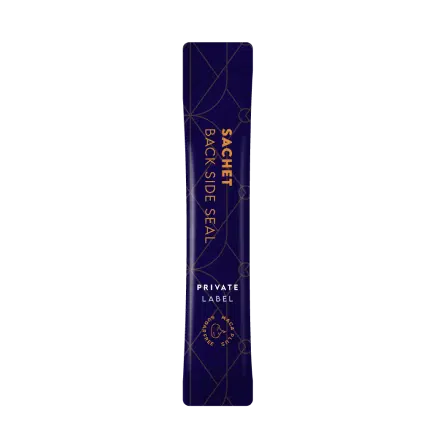
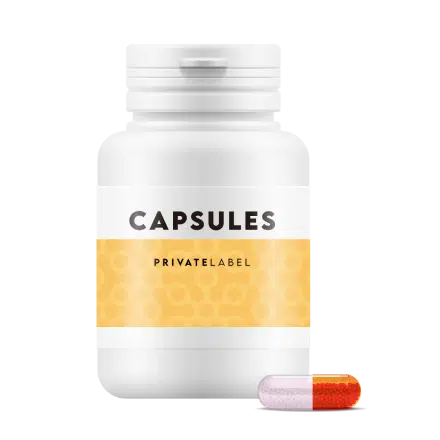
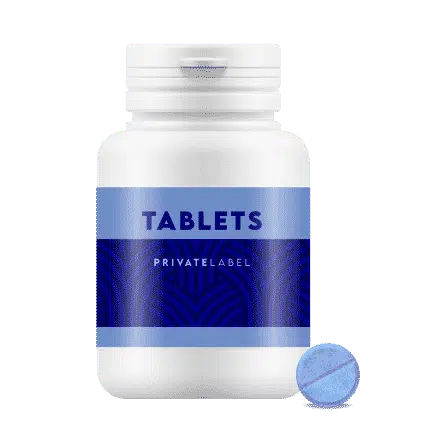
Depending on formulation design and processing conditions, TCI’s Proanthocyanidin ingredient may be evaluated for the dosage forms shown on this page. Each format has different requirements for inclusion level, sensory profile, processing conditions, packaging, and storage stability. Final feasibility should be confirmed through formulation trials, stability testing, and manufacturing validation.
TCI’s Proanthocyanidin ingredient is derived from peanut skin. Finished products should provide appropriate source and allergen information according to target-market regulations and official ingredient documentation. People with peanut or other relevant allergies should review product labeling carefully and assess suitability with professional guidance.
Final product claims should not be determined by a single ingredient alone. They should be evaluated based on the complete formulation, use level, product format, target consumer, available substantiation, and regulations in the market of sale. TCI’s Proanthocyanidin ingredient is intended for food applications; brands should confirm permitted labeling and communication with regulatory and product development teams before launch.
TCI’s Proanthocyanidin ingredient is a polyphenol extract derived from peanut skins, and the ingredient page includes dedicated Q&A for people with peanut allergies and for specific dietary groups.
In product development, allergens are an item that must be declared; it is advisable to include them in labeling planning at the early design stage and to confirm them against the allergen labeling requirements of the target market.
The ingredient specifications, source, testing and technical information that can be provided vary according to the ingredient type, target market and project requirements, and must be confirmed case by case.